
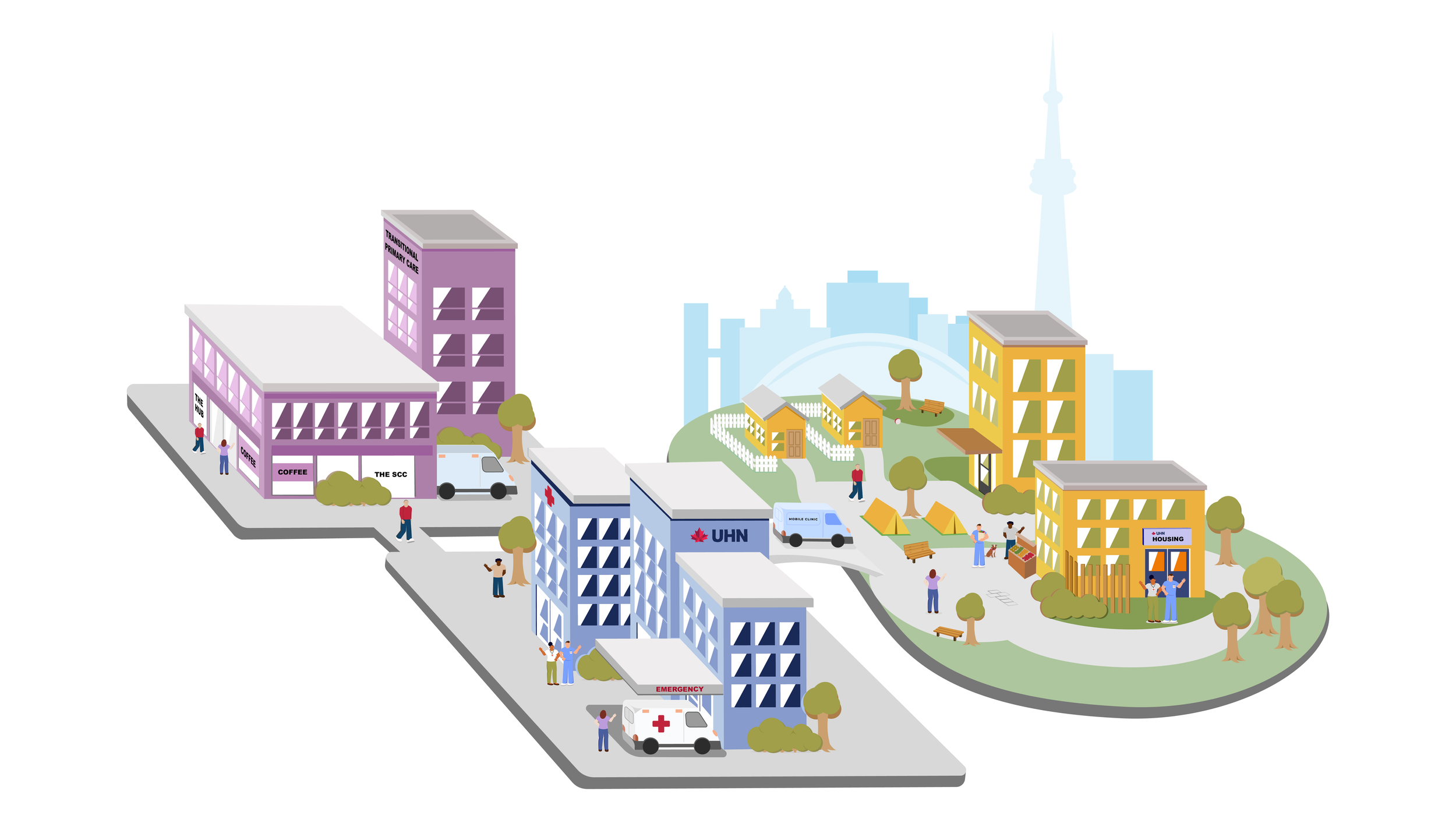
Redesigning access to care for patients of the new UHN Social Medicine Hub
A collaborative effort to design a comprehensive model of care for a new physical space that intends to connect patients to health care, social supports, and community services
CLIENT
UHN Gattuso Centre for Social Medicine
WITH
Healthcare Human Factors
Challenge
Social medicine patients often engage with healthcare systems, such as emergency departments, to meet basic needs of food, shelter, and safety. Traditional healthcare environments are designed to respond to medical concerns and are not well-equipped to manage other patient needs. Underserved patients encounter barriers like complex registration processes, system biases, and unwelcoming environments at healthcare sites. On the flip side, care teams face challenges with unclear pathways and limited resources to provide support for social medicine patients.
While at Healthcare Human Factors, my team had the opportunity to work with the UHN Gattuso Centre for Social Medicine to envision how a new access point can open up capabilities to integrate patient care, reduce system barriers, and meet holistic needs altogether in one space.
Process
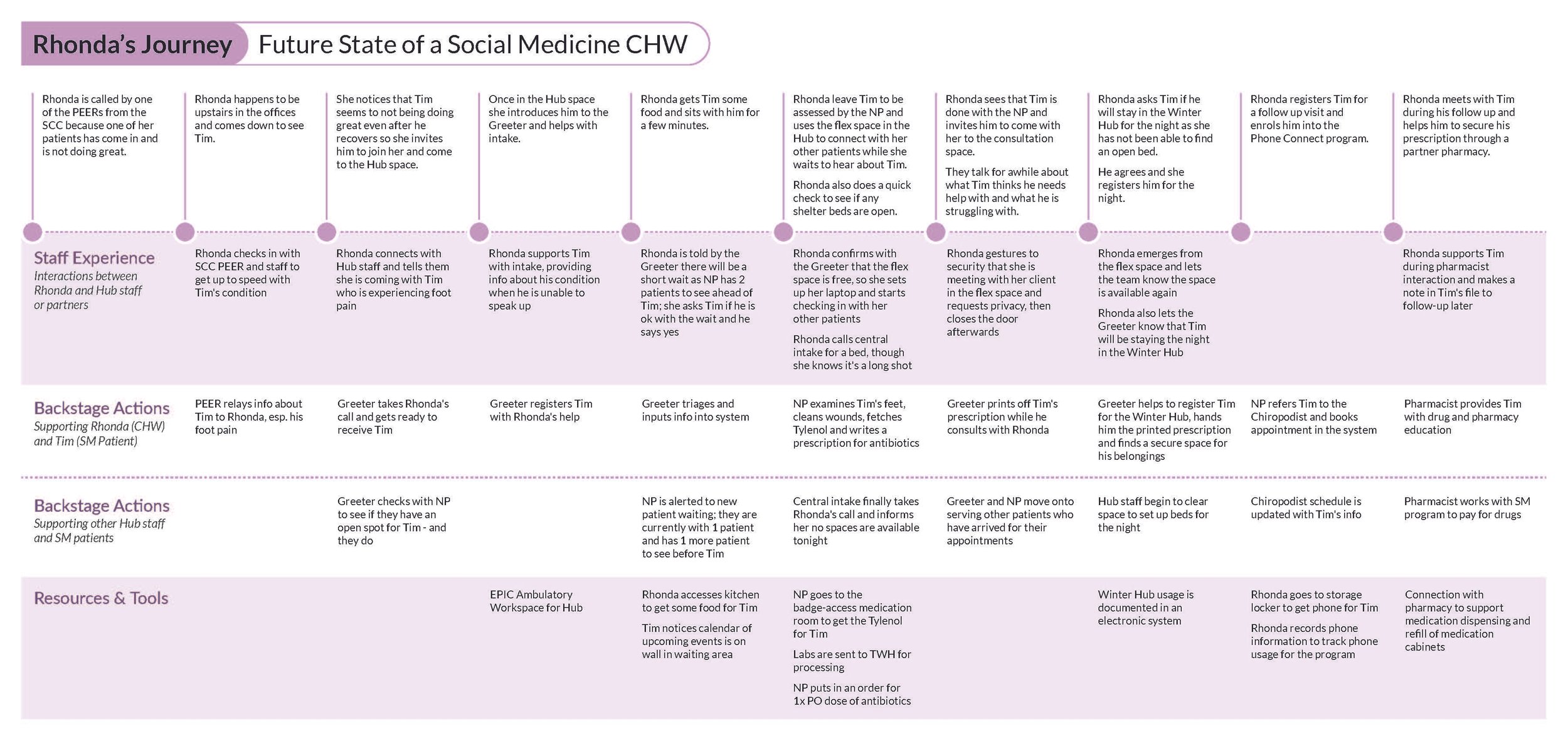
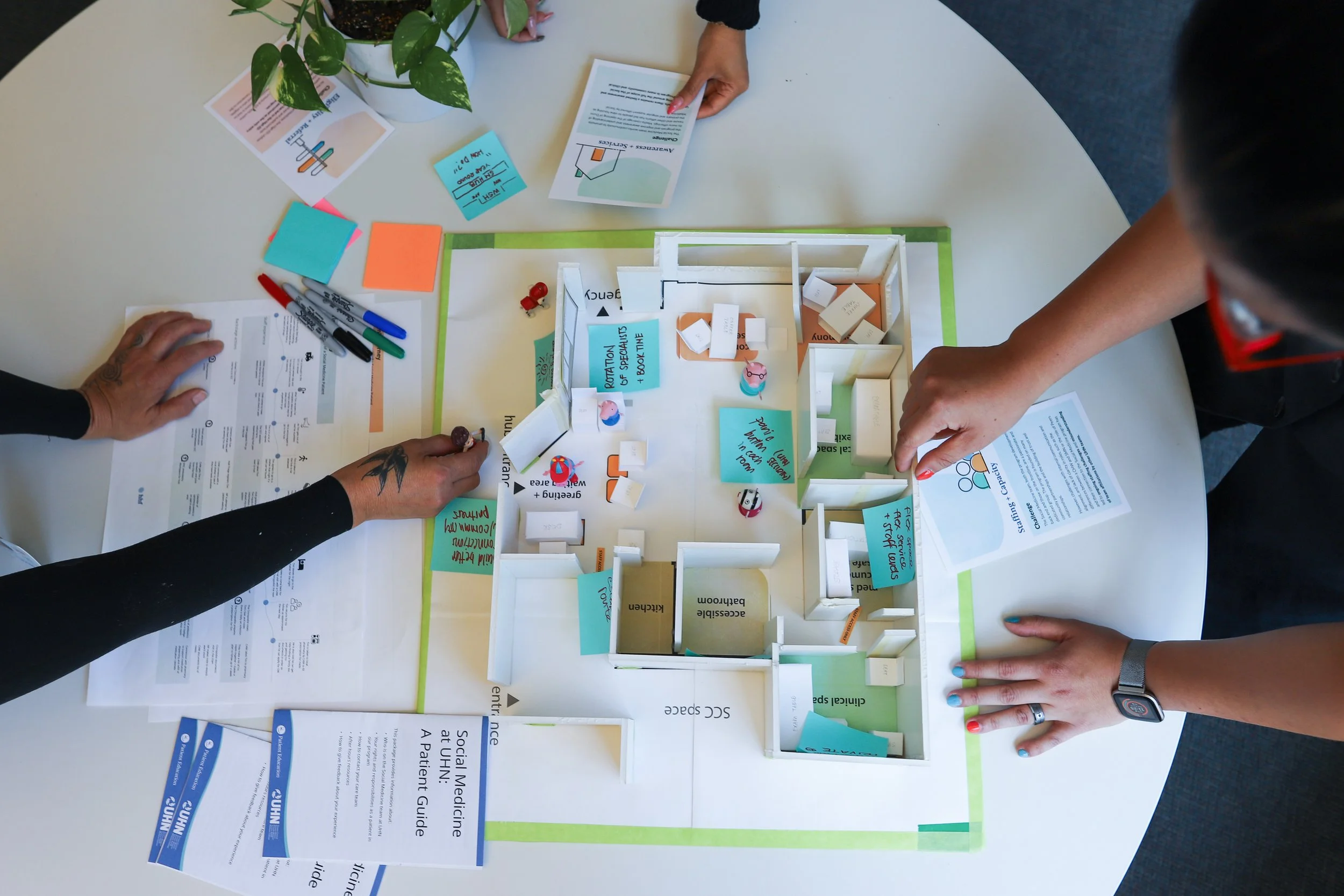
Building on these insights, we facilitated co-design workshops where we co-created user personas, visualized journey maps, and ideated solutions that could improve access, coordination, and experience of care for patients and providers alike.
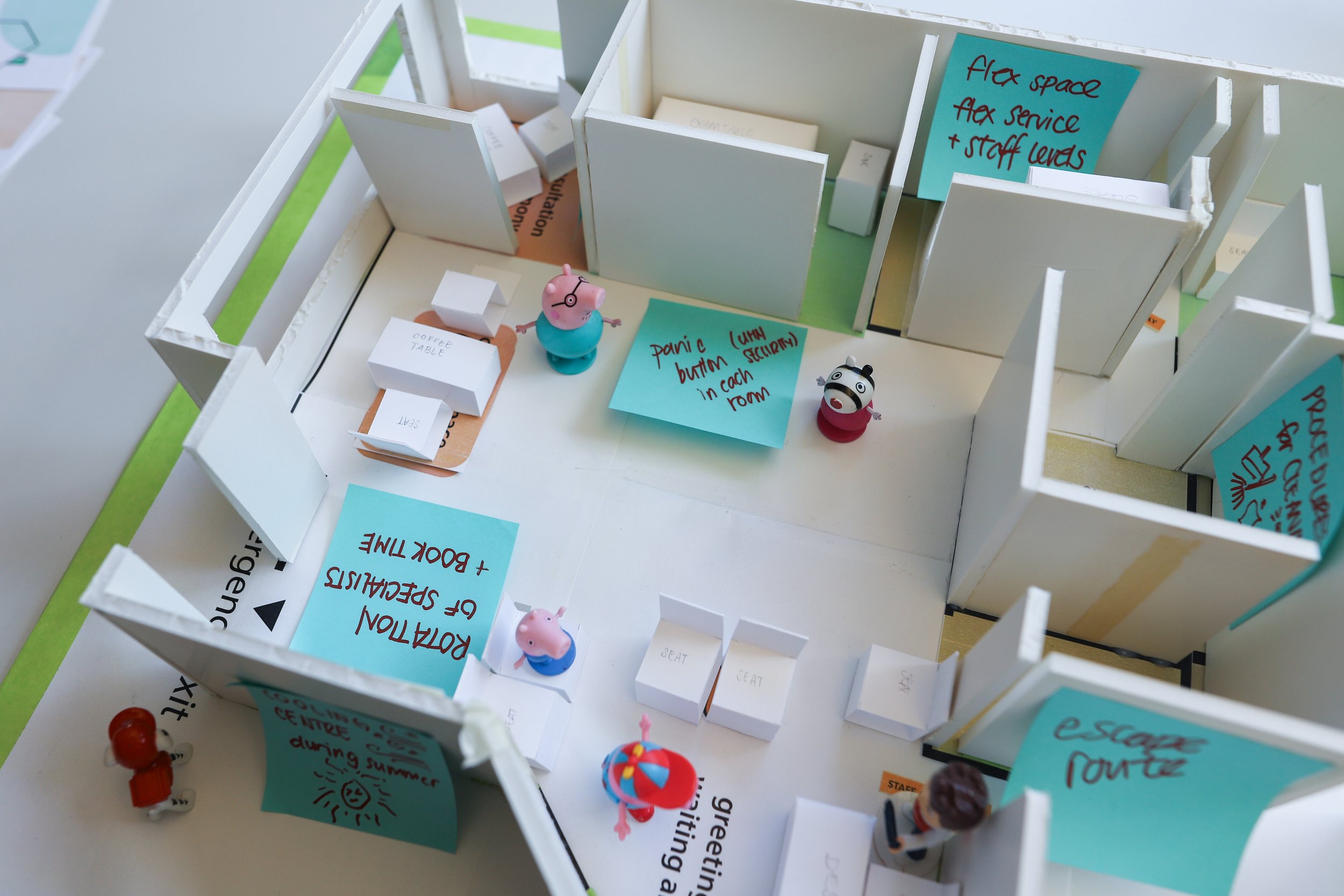
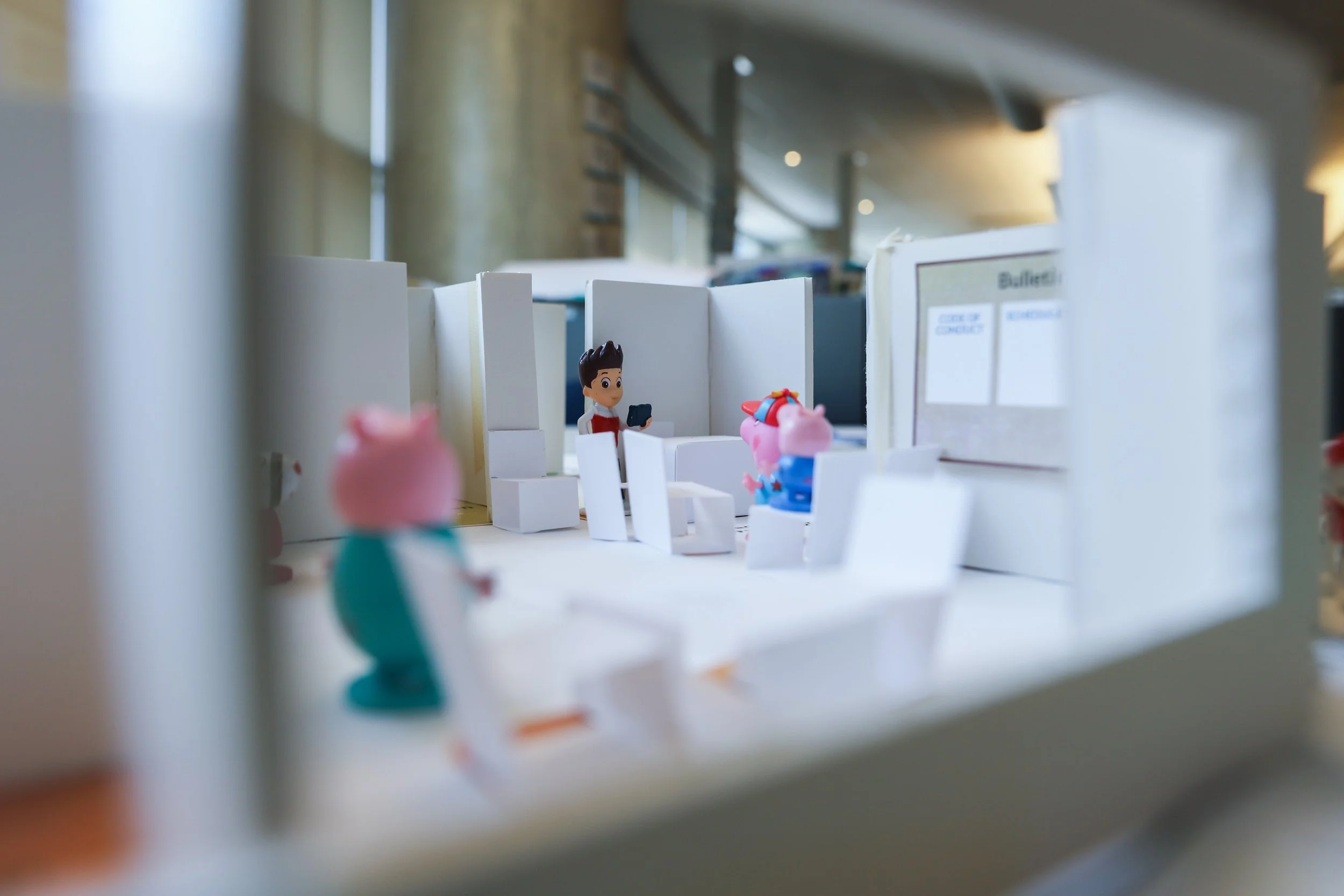
Prior to the workshop, we were given a tour and floor plan of the proposed Social Medicine Hub space. Using this information, I built an interactive model for workshop participants to walk through the space and co-design an ideal environment that met medical and social health needs. Some of these factors include:
An open-minded and secure reception area to welcome patients and visitors
Private spaces to consult with and receive care from clinicians
Comfortable waiting areas that promote safety and social interactions with other community members
The flexibility to adapt the space for scheduled events and specialized services, emerging situations, and seasonal needs (i.e. warming shelter in winter months, cooling shelter in summer months)
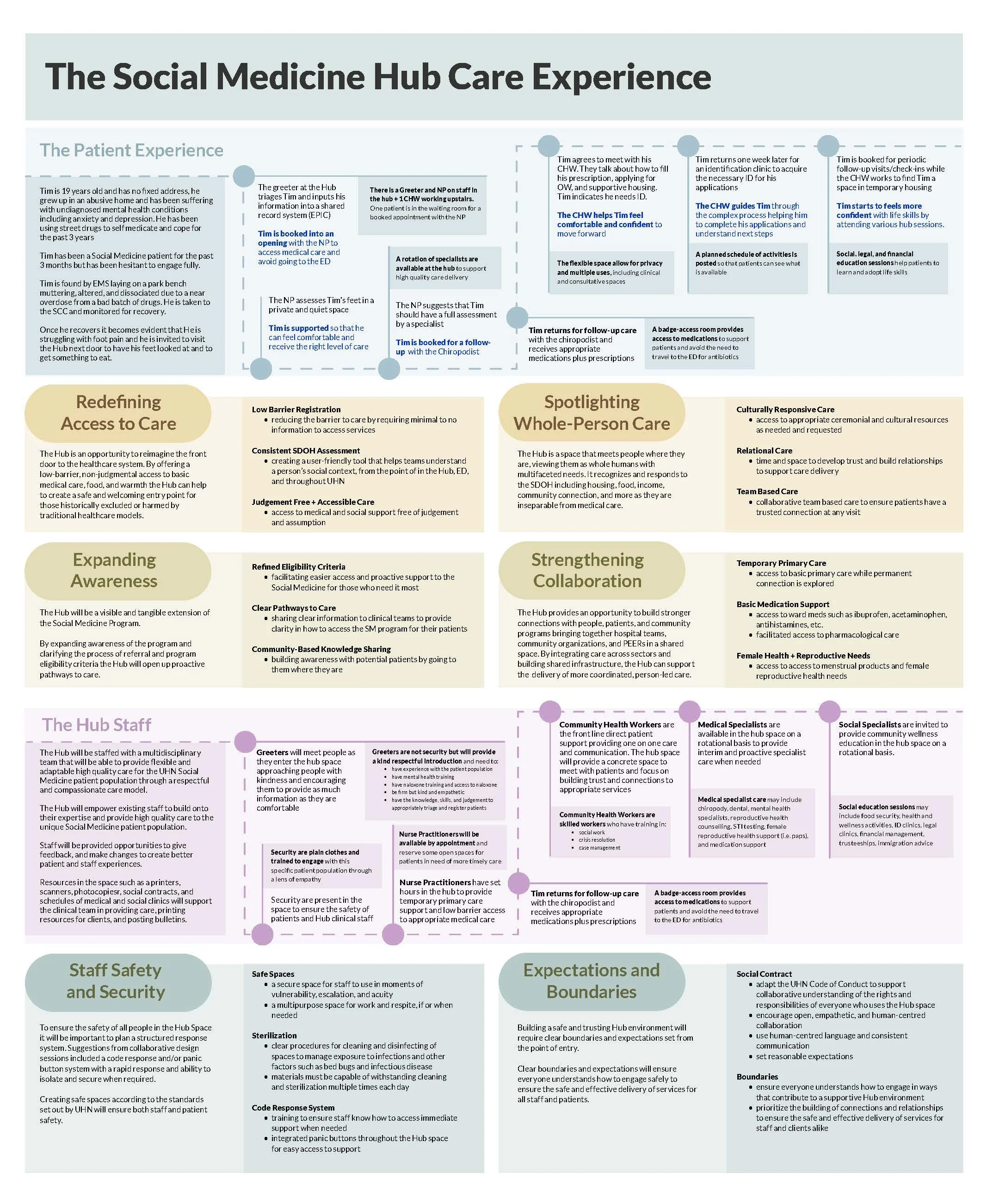
Bringing together the insights and co-design workshop findings, we synthesized a comprehensive model of care that included a detailed visualization of the patient journey, care delivery, staffing model, and spatial experience of the new Social Medicine Hub.
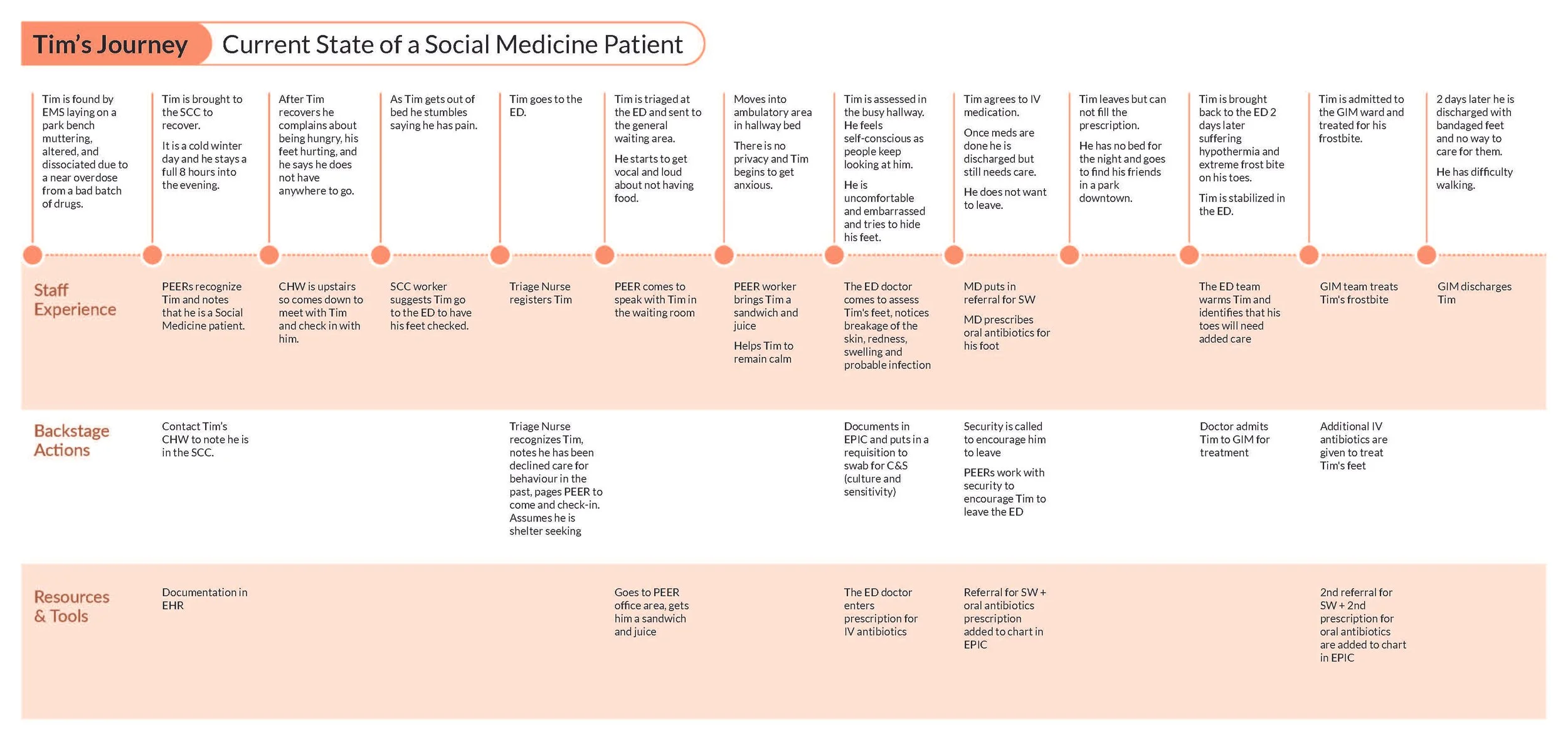
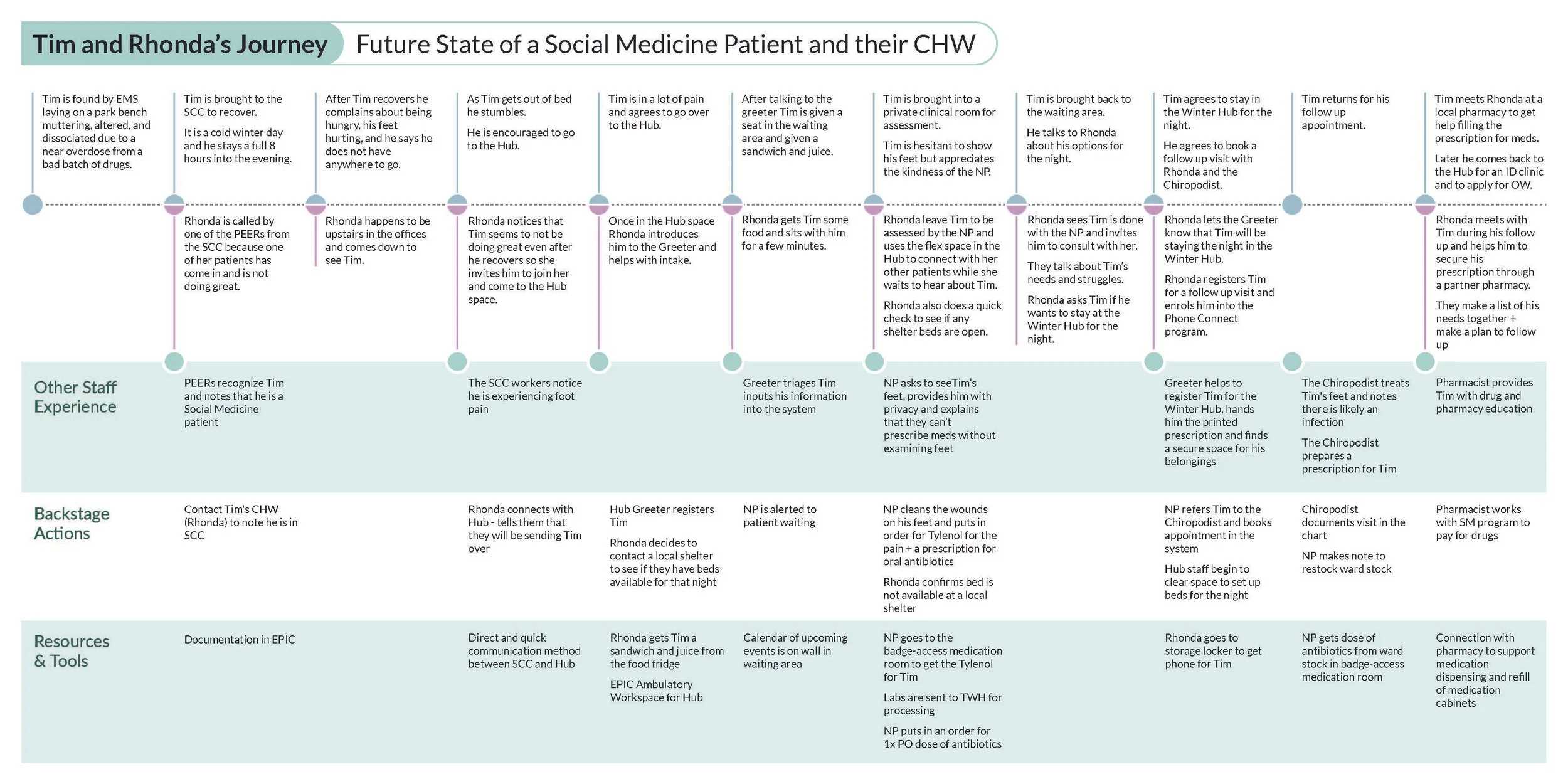
We conducted interviews, observed and shadowed care teams, and facilitated engagement sessions with people with lived experience (PWLE), hospital care teams and security personnel, community health workers, and health system partners. Through our research, we explored diverse lived experiences, care journeys, and noted gaps and barriers of the Social Medicine program and the overarching healthcare system. These led to important insights, such as:
The concept of “registration” at hospitals and community services can be a barrier to many patients, especially if they are mistrustful of others and protective of their identity
While the health system can provide medical support, it can be hard to fully meet all of their other needs
Social determinants of health, like housing stability, income, and food security, are not easily understood or assessed at conventional health institutions
Outcome
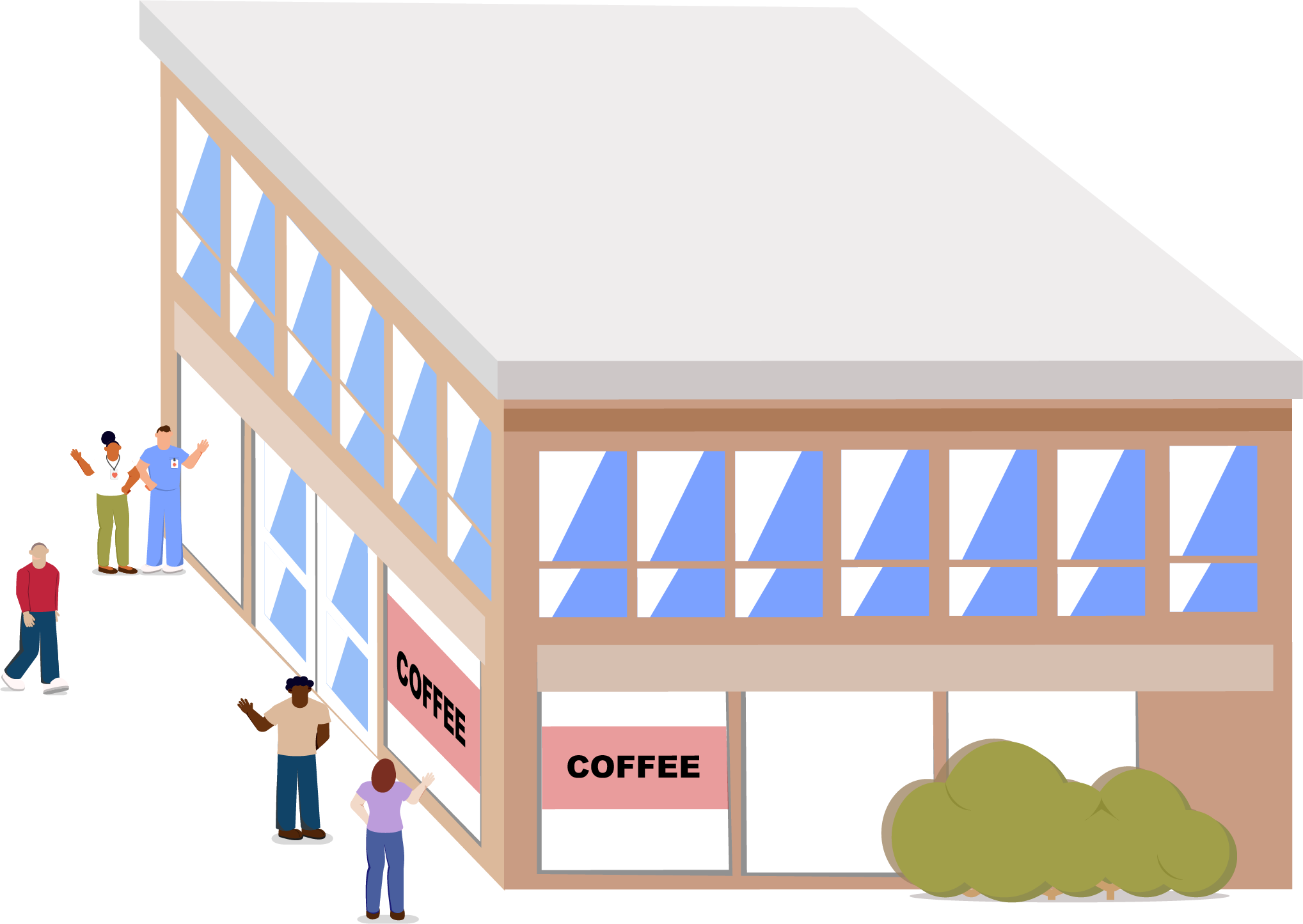
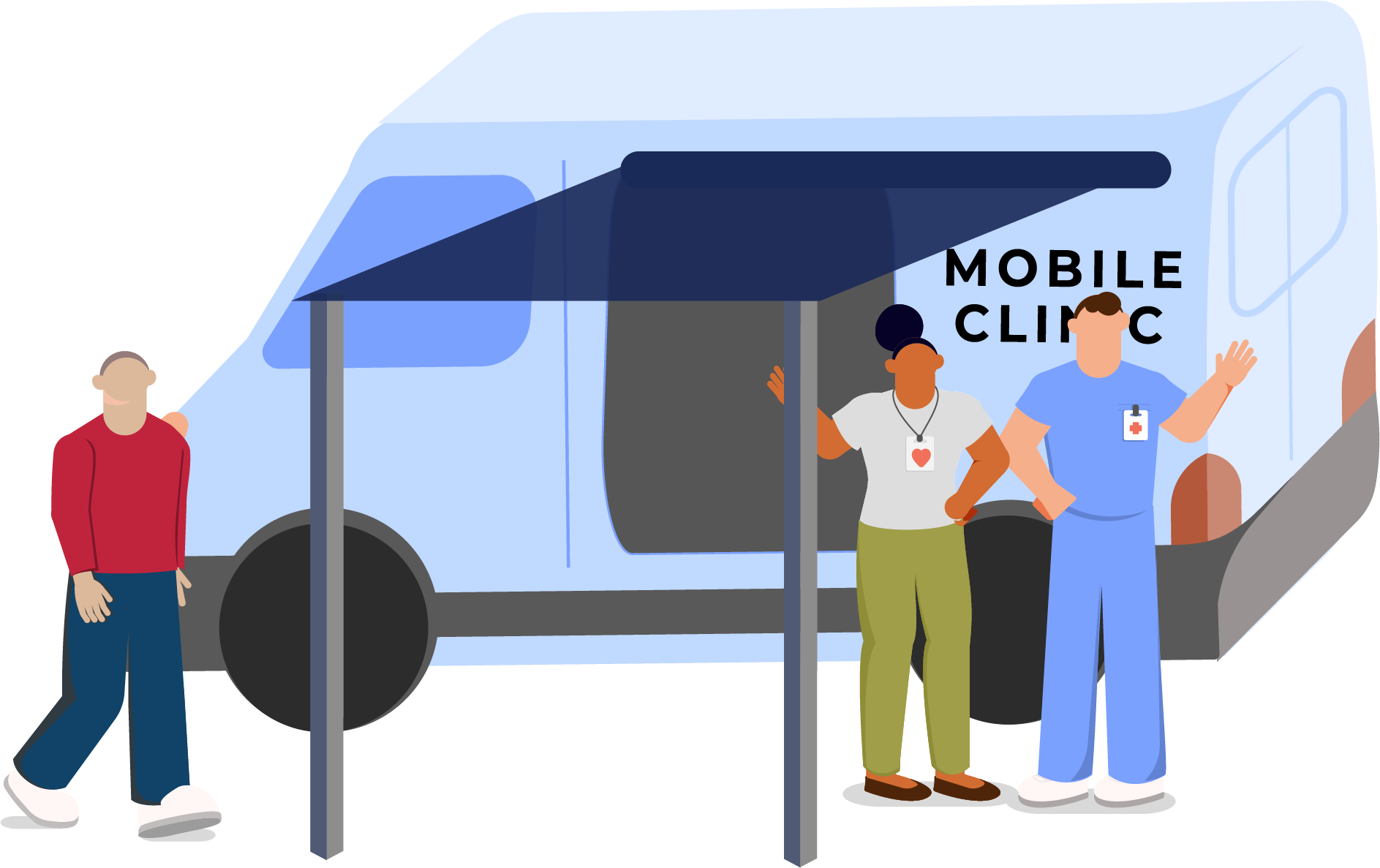
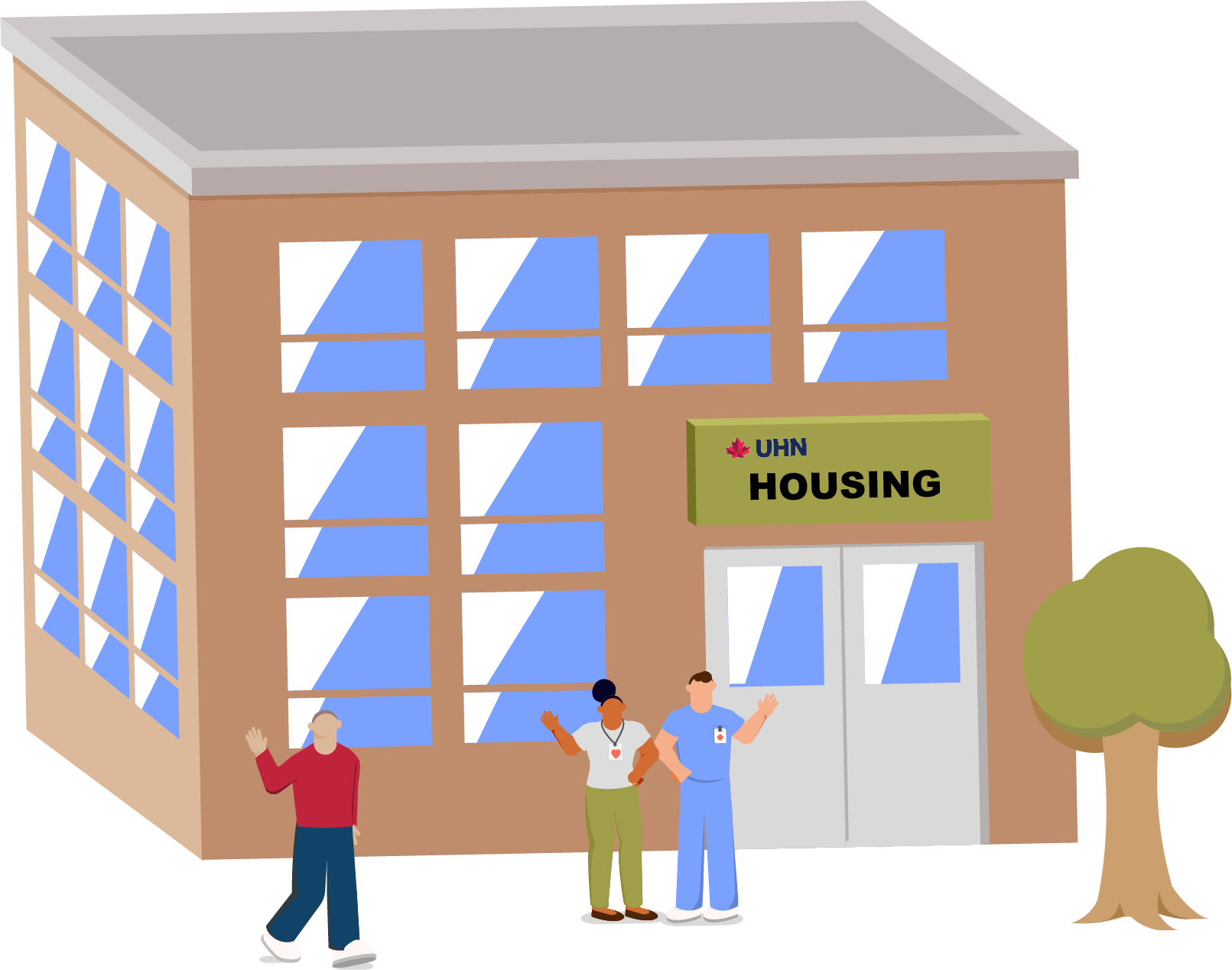
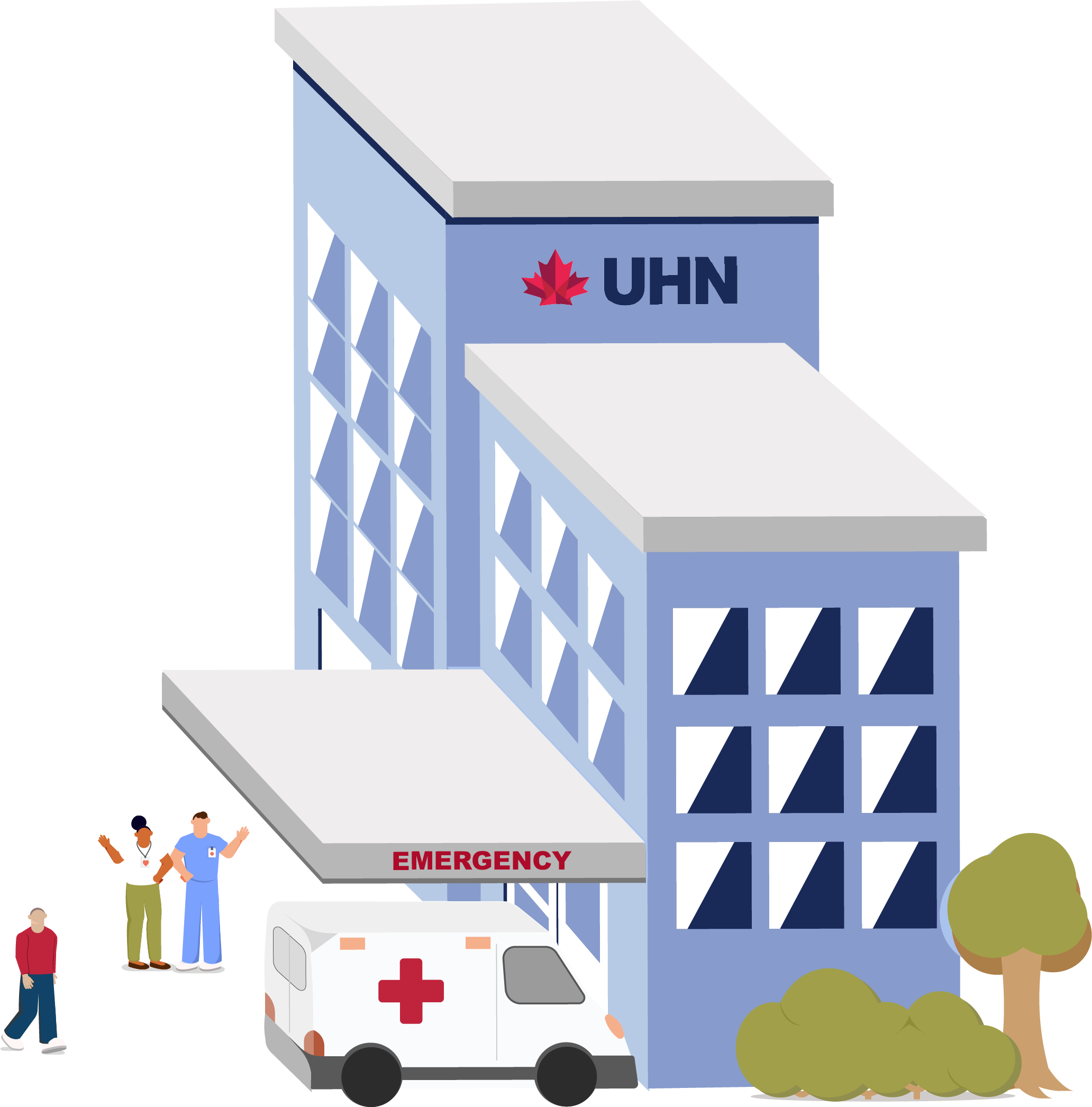
Our collaboration with the Social Medicine team resulted in a holistic model of care that opens a new front door to healthcare for people who are often underserved, marginalized, and/or excluded from traditional systems. Key features of the model are:
Low-barrier, non-judgmental entry points
Whole person care with dignity and autonomy, accounting for social determinants of health, cultural needs, and human connections
Clear pathways of referral into the Social Medicine program for care teams and community partners
Defining a shared space and shared responsibility to deliver coordinated care between hospitals, community health groups, and social services and supports
Reflection
Using different research methods when engaging with diverse people and teams were key to unlocking insights that guided the care model design. For clinicians and care teams, conventional methods like interviews and shadowing yielded findings from a provider perspective, and helped us understand how to staff the space with safety and security in mind. For PWLE, we utilized more unconventional or “designy” methods like the interactive model to lower the barrier for engagement and to capture ideas that may be harder to express, such as spatial flow and emotional states, that informed the potential layout and usage of the hub.
From a health system standpoint, social determinants of health can be difficult to assess and identify, and finding ways to address root causes while considering individualized human experiences is a significant undertaking for all providers. However, I truly believe with concerted effort and collaboration, we can do it right and help people change their life trajectories from just surviving to thriving with dignity.